
Relationships with Nature: History, Identity, and Belonging
The concept of “the Great Outdoors” as a metaphor for freedom, adventure, and beauty has been positioned in the United States as a quintessential element of our cultural identity, and hypotheses like biophilia suggest that all humans have an innate connection to and therefore draw toward natural settings. The existing narrative is that Americans have a history of nature affiliation and an inherited right to enjoy wilderness spaces as settings for recreation, socialization, and conservation. But is this concept really as universal as this story suggests, or can empirical studies offer us some alternate viewpoints that could help us get a more thorough understanding of how people, especially Americans, think about their relationship to “the Great Outdoors”?
It’s commonly observed that people who live in densely populated urban spaces tend not to visit national parks, and data from the National Park Service consistently shows that people of color visit these parks in fewer numbers than white people do. There are many theories about why this might be the case. First, there is growing evidence to suggest that people who don’t spend time in nature as children are less likely to want to spend time there as adults, leading people to feel unfamiliar or even afraid of green spaces. Social pressure is also a possibility - taking cues from peers about what types of spaces and activities are appropriate. Socio-economic limitations and proximity are also plausible factors: certain groups of people more than others may have time, money, and transportation constraints that prevent them from visiting nature away from home. Safety overall can be a big concern for some people - fear of getting lost, fear of crime, fear of animals and other people. Lack of awareness may also be a factor: if certain people are not given the opportunity to learn about the available spaces, and/or if they don’t see themselves represented in the media associated with those spaces, it may be hard for them to access knowledge that could lead to visitation.
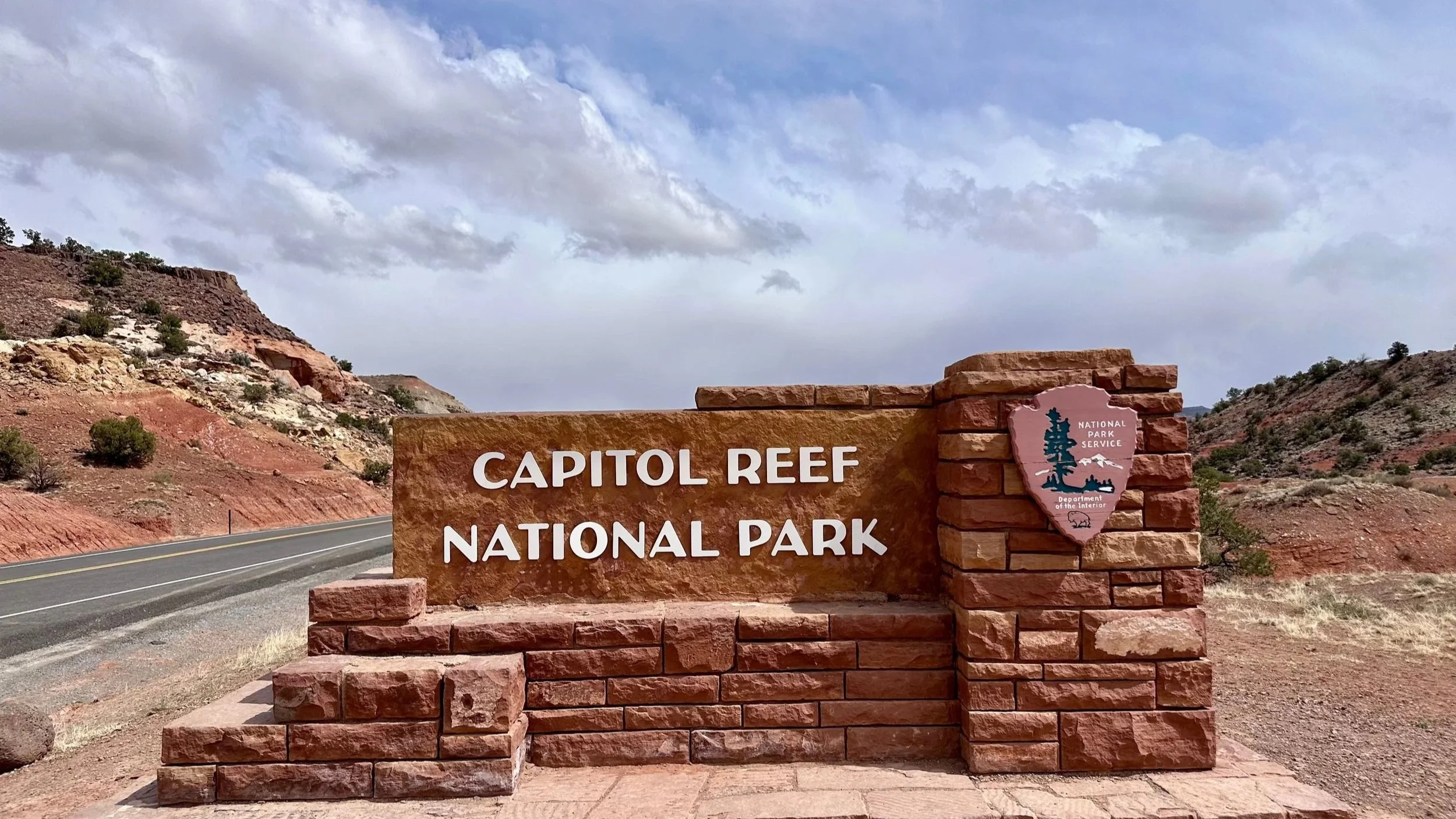
Empirical studies have acknowledged and explored all of these possibilities, and we’ll see a few of them in greater detail, but one point is important to stress at the outset: for all these myriad reasons, people from different racial, ethnic, socio-economic, cultural, and social backgrounds have different preferences when it comes to their comfort level and interest in spending time in nature. Let’s take a closer look at the mechanics of this.
First, let’s take a look at the history of the American concept of “the Great Outdoors.” From the early days of our nation, different groups of people have had different experiences related to the land: white European settlers immigrated to the U.S. with the promise of owning land through the Homestead Act of 1862; Native Americans, who had a long history of partnership with the land, saw their access systematically striped away; Mexican Americans experienced disenfranchisement as land treaties designed to protect their land ownership were ignored; African Americans forcibly brought the U.S. and subjugated in slavery, developed a complicated relationship with nature as both a symbol of oppression on the plantation and freedom in the forest; Japanese Americans were relegated to internment camps in the desert during World War II, and so on. The definition of “the Great Outdoors,” it turns out, was largely developed by the upper class, white group of Americans, primarily through a European lens.
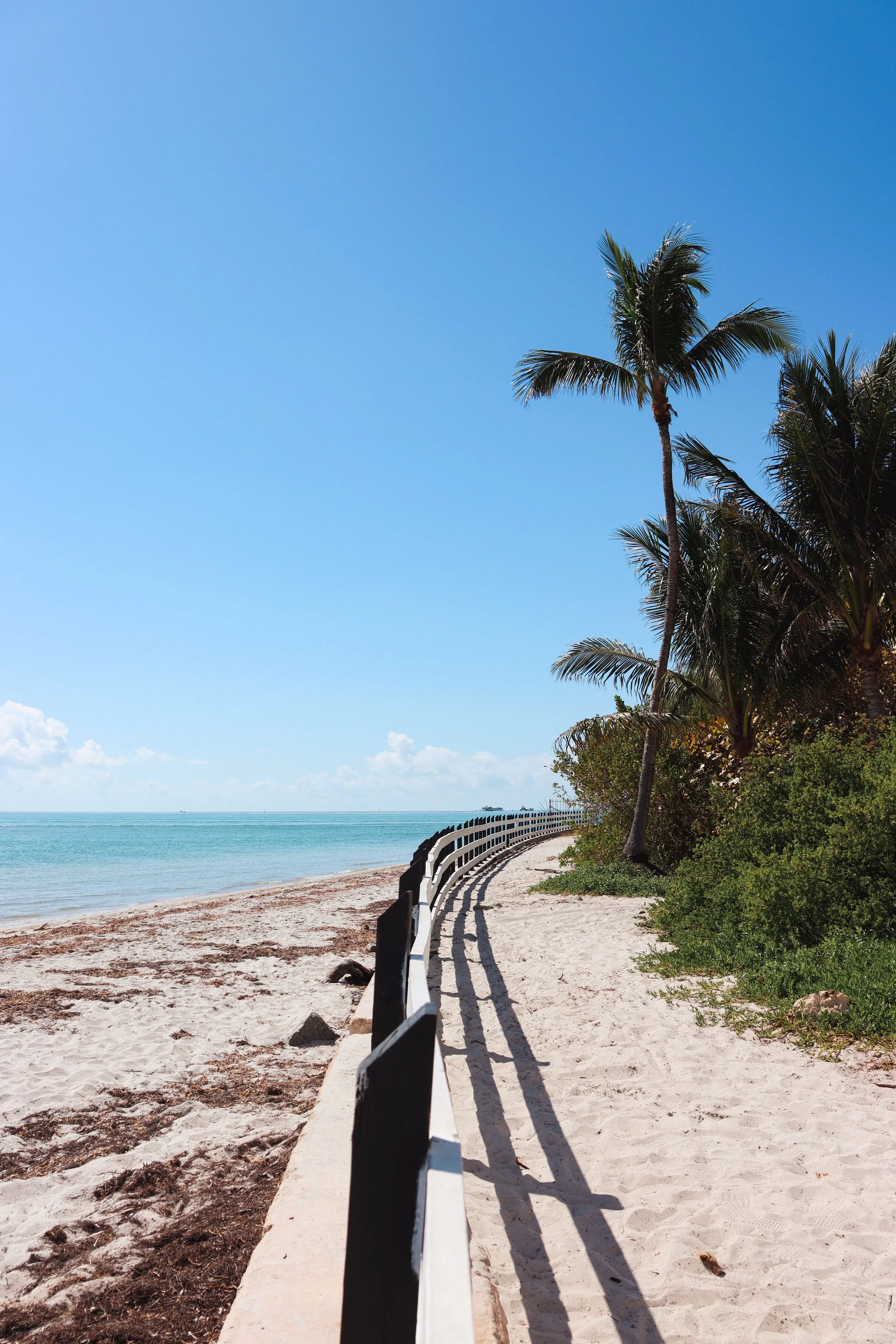
The Wilderness Act of 1964 ratified the use of American wilderness for recreation, scenic viewing, science, education, and conservation. Though this act was signed the same year as the Civil Rights Act, it’s important to remember that racial segregation was still very much part of daily life at that time. Many institutional programs related to the environment were originally segregated: things like the Civilian Conservation Corps, and the Forest Service and the National Park Service, due to their close ties with the CCC, were segregated by association. Black people were banned from many of the national parks, and often made to feel unwelcome in those where they were technically allowed; when Dr. Martin Luther King Jr. expressed desire to visit a national park, he was advised against it, because it would be “awkward.” Virginia Key Beach in Florida, which contains eighty-two acres of shoreline, nature trails, and indigenous and exotic tree species is an example of a “black beach” that was not integrated until 1982. Segregation also contributed to the placement and quality of urban nature. Studies examining measures of tree canopy cover and tree density indicate that areas with greater proportions of Black residents have significantly less tree cover. A study examining ‘‘just’’ access to green space in 12 urban areas found that there is significantly less street greenery in areas with greater proportions of residents of color, but more walkability to small-to-large-sized parks in these areas. While this access is good, another study showed that while African Americans had greater walkability to parks, those parks were more congested than parks in white areas.
Ultimately, since the American ethos about nature stems from upper class European roots, green spaces have been implicitly defined as white spaces. Even after the Civil Rights Act was passed, there was still pressure on people of color to stay away from those spaces, and the activities taking place there. This tension still exists today, in many examples like the recorded encounter between Christian Cooper, a black birdwatcher, and Amy Cooper, a white woman, during which she called the police alleging she was being threatened by a black man when he asked her to follow the park rules and put her dog on a leash. Black fly fisherman and U.S. Navy veteran Chad Brown has experienced retribution like his tires being slashed when he visits natural habitats that are implicitly designated as white spaces. In Brown’s words, “there is a feeling of, ‘this is our sport, not yours.’” Hiker Tara Cooper, a Black woman, lives in Oregon, and often feels unwelcome, invisible, and has a strong sense of having to put on a show in order to be accepted by white hikers on a nature trail.
Other reasons that certain groups in the U.S. population may feel less interested in spending time in nature stem from representation and lack of knowledge. Media representations of nature, including materials from the National Park Service, rarely feature non-white people. In 2006, when Vanity Fair published its “green issue,” presenting profiles of environmentalists, only 2 of the 63 profiles were people of color. The non-verbal implication of these media realities is that nature and concerns about preserving nature are mainly activities for white people. In Outside magazine, only 103 of the 4605 people pictured were non-white, and when non-white people were shown, they tended to be seen in urban sports locations, whereas their white counterparts were depicted in many different outdoor settings. A 2013 study of national park visitation patterns found that Hispanic, Black, and Asian Americans tend to visit national parks that have specific historical or cultural significance for them; Asian Americans, for example, visit the national parks that had been developed from the sites of the Japanese internment camps. These data help to prove the adage that representation matters: people connect more readily with nature exhibits and monuments that depict people who look like us.
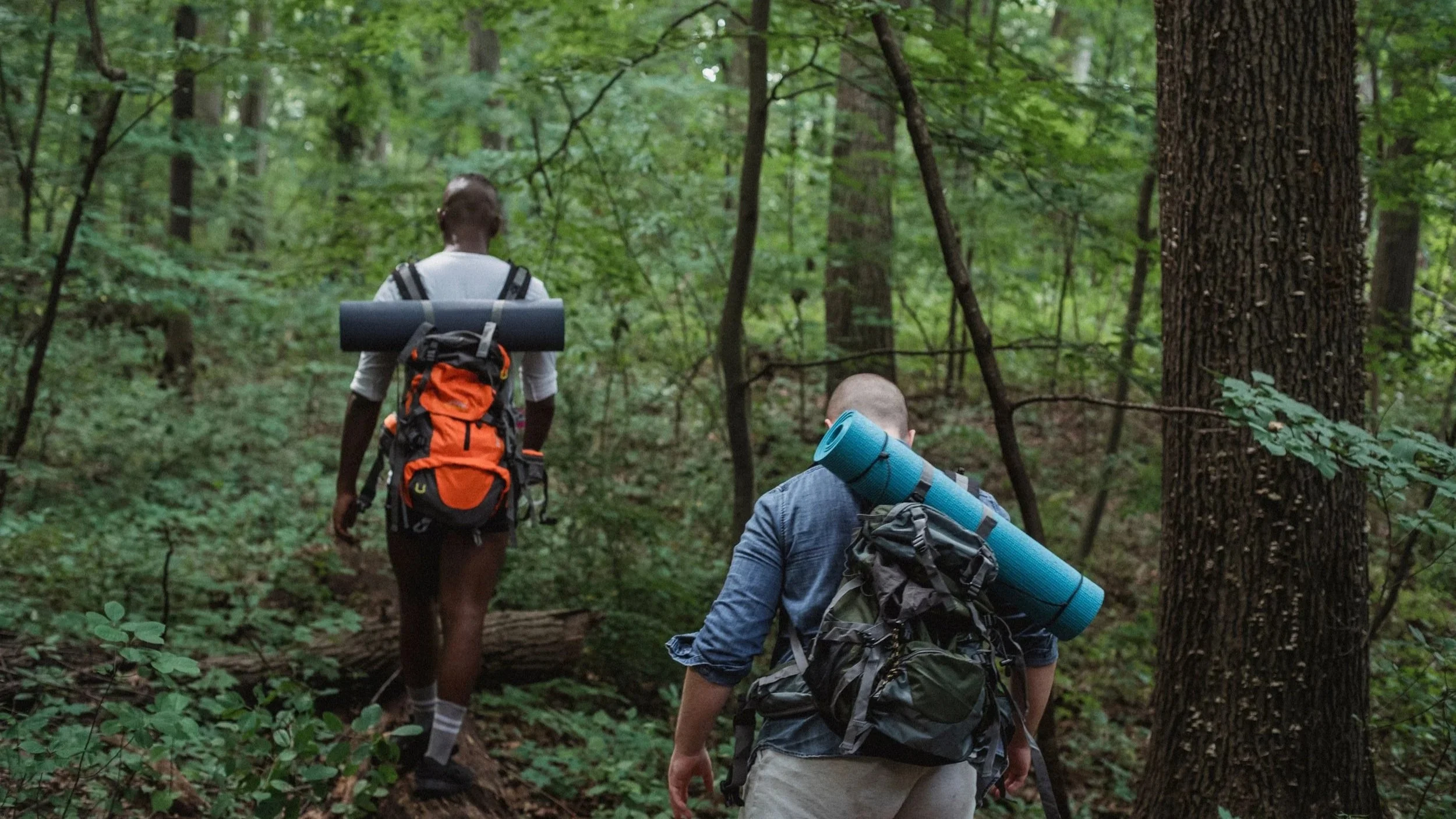
These issues of representation influence and are influenced by cultural identity and social pressure from our home communities: the way many of us view nature settings and activities that take place in nature is informed by our impression of whether those activities are “for us.” For example, Mikhail Martin, the co-founder of Brothers of Climbing, explained pervasive impressions of rock climbing: “In the black community, there’s this misconception that, ‘Oh, Black people don’t do that. Only White people do this.’ And they have every right to believe that, because their outlet to the world is what you see on the TV and internet, and if you don’t see any Black people, or any people of color climbing, you’re not going to think you can do it.” For many communities of color, there is a fear of being perceived as “trying to be white;” studies of African Americans in particular have shown that black identity tends to be the most important factor that influences decisions about engaging with nature. In studies of leisure activities, researchers find that various factors like lack of time, access, as well as these cultural and social mindsets impact how and where people want to spend their leisure time. White people who visit national parks and engage in leisure activities there tend to pass their interest and nature skills on to their children, while non-white people who do not have the same access and sense of safety in these areas will tend to pass on the mindset of fear and disinterest to their children.
Practical Applications
Idea #1
While everyone can benefit from nature exposure, it’s important to recognize that your work colleagues will have different levels of comfort with this. If you suggest eating lunch in a nearby park, for example, and someone expresses hesitation, accept their discomfort without asking them to explain it, and offer alternatives, like eating lunch indoors near an open window, or eating in a courtyard that’s close and familiar. Aim to find a way to experience nature together in a way that helps everyone feel comfortable.
Idea #2
When designing work retreats or outdoor events, make sure to create options for indoor or lower exposure, and share lots of information about the location in order to reduce uncertainty. Choose locations that are well-lit, accessible for all levels of physical ability, and feature wide pathways to allow people to avoid over-exposure to plants or bugs. Most importantly, be sure to build choice into the activities taking place in the nature space, giving everyone the freedom to select how they will spend their time there.
Idea #3
Representation matters; people’s interest in activities and products is heavily influenced by whether they see themselves as belonging there. Whatever your industry, if you are at all involved with helping to create materials that depict people doing activities, do an audit of your website, presentations, recruitment materials, etc. Examine the images and ask yourself who is being included and who is not.
Sources
Buckley, R., Liddon, M. & Westaway, D. Access to nature faces social and socioeconomic as well as travel barriers. Nat Cities 2, 676 (2025). https://doi.org/10.1038/s44284-025-00293-z
Finney, C. Black Faces, White Spaces: Reimaging the Relationship of African Americans to the Great Outdoors. Chapel Hill, NC, UNC Press Books, 2014.
Fushcia-Ann Hoover and Theodore C. Lim. ‘‘Examining Privilege and Power in US Urban Parks and Open Space during the Double Crises of Antiblack Racism and COVID-19.’’ Socio-Ecological Practice Research 3 (2020): 55–70.
Kephart, L. (2022). How Racial Residential Segregation Structures Access and Exposure to Greenness and Green Space: A Review. Environmental Justice, 15(4), 204-213.
Lanham, J. Drew. 2013. Nine rules for the Black birdwatcher. Orion Magazine. https://orion-magazine.org/article/9-rules-for-the-black-birdwatcher.
Roberts A, Zamore S (2020) Black in nature. Milwaukee Courier Weekly Newspaper (blog). https://milwaukeecourieronline.com/index.php/2020/06/10/black-in-nature/. 10 June 2020
Samayoa, M. Racism in the great outdoors: Oregon’s natural spaces feel off limits to Black people. OPB News, June 18, 2020.
Scott, D., & Lee, K. J. J. (2018). People of color and their constraints to national parks visitation. The George Wright Forum, 35(1), 73.
Weber, Joe, and Selima Sultana. 2013. Why do so few minority people visit national parks? Visitation and the accessibility of “America’s best idea.” Annals of the Association of American Geographers 103(3): 437–464.
