
Nature in Healthcare Settings
Healthcare facilities are spaces that typically create a lot of stress for people, and since the mid-1990’s, there has been a greater emphasis placed on patient-centered care and thoughtful design - leading to a much more hotel-like atmosphere as opposed to a stark white environment. Additionally, a growing body of evidence shows that exposure to nature in general is positive for our health. So what does the science have to say about bringing nature elements into healthcare workplaces?
Why Is Nature Especially Important in Healthcare Settings?
Healthcare design has been increasingly guided by evidence that patients and staff alike are impacted by the physical environment in a hospital or assisted living facility. In a meta-analysis of healthcare design, the researchers identified that the setting impacts patient safety issues like infections and falls, patient outcomes like pain, stress, length of stay, and satisfaction, and workers issues like stress, work effectiveness, and satisfaction.
Pain
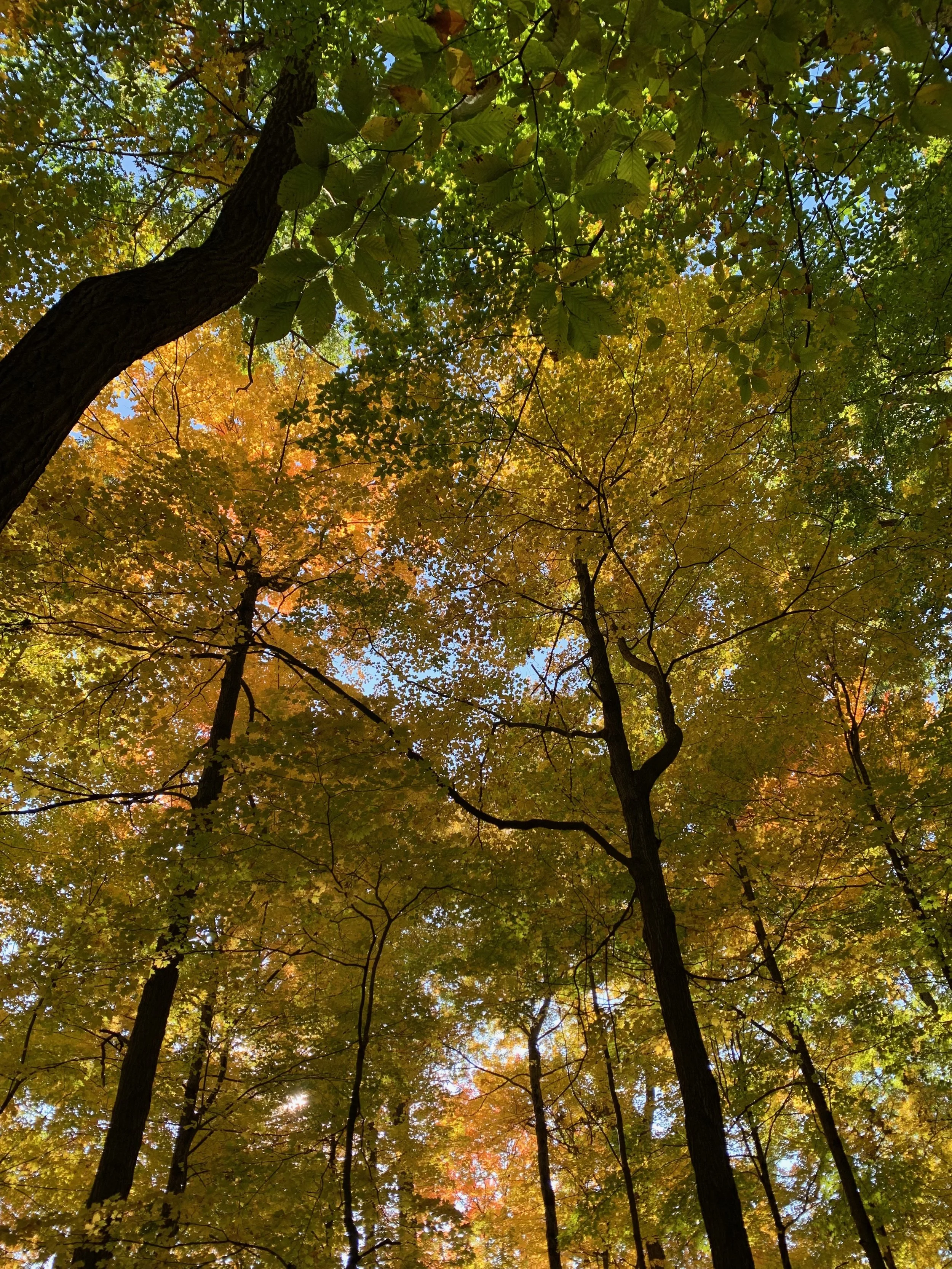
Many psychological studies have verified that images of nature can help decrease pain through the application of Distraction Theory, which suggest that pain requires conscious attention. By viewing images of nature, or nature out a window, patients’ attention becomes focused on the pleasant visuals and they concentrate less on their pain. The theory predicts that the more engrossing an environmental distraction, the greater the pain reduction. One study showed various color images of landscapes to patients recovering from heart surgery; those who were randomly assigned to the images of trees and water required fewer doses of their pain medication than those who saw abstract images or no pictures at all. Pain threshold and tolerance were also proven to increase in a study that showed participants videos of various scenes; those viewing the nature scenes had the highest performance. These studies and more validate the notion that it’s incredibly important for healthcare facilities to be designed with patient windows that overlook nature, and patients who are experiencing a lot of pain should never be placed in rooms that lack a nature distraction.
Stress
Stress is especially detrimental in a healthcare setting because it suppresses immune system function, which decreases patients’ resistance to infection and slows recovery. For healthcare workers - especially nurses - stress can lead to absenteeism, turnover, errors, and burnout (emotional exhaustion, depersonalisation, and reduced feelings of personal accomplishment). A study in 2001 followed 45 novice nurses working in intensive care units. The nurses who were working in a state of high anxiety performed their tasks, like endotracheal suctioning, more poorly than those who were relaxed.
Stress Reduction Theory, developed by researcher Roger Ulrich, helps explain why nature views are so important: nature helps reduce our stress by eliciting positive emotions. (See the article on Stress Reduction Theory). This outcome is especially prominent in individuals who are undergoing a high level of stress, like patients or healthcare staff. One interesting application of Stress Reduction Theory was a study conducted in a dentist’s office with patients undergoing elective dental surgery. Prior to the surgery, one group of patients was shown a soothing poster of a waterfall, another was shown an aquarium, one contemplated the poster along with hypnosis, another contemplated the aquarium with hypnosis, and a fifth group were told simply to sit quietly and relax. After the surgery, the patients who had watched the aquarium reported an increase in comfort and reduction in anxiety compared to the poster group and the group that wasn’t shown anything. Adding hypnosis to the aquarium viewing did not impact these outcomes, indicating that the live nature view alone is enough to reduce stress.
Depression
Lots of studies identified in the meta analysis confirmed that exposure to light is an important factor in reducing depression and improving mood, even for people hospitalized with severe depression. In fact, artificial light applied in structured protocols is a common treatment for depression. Sunlight in particular has been shown to diminish depression, so it’s very important to place depression patients in rooms with windows that let in a lot of natural light. Further, healthcare buildings should be designed to maximize the amount of natural light that can enter, avoiding design that creates blocks. The full effects of sunlight on depression treatment is still being studied, but preliminary data suggests that sunlight exposure works even faster than antidepressant drugs (positive effects were seen in less than two weeks of sunlight treatment compared to 4-6 weeks on drugs). Several studies also confirmed that patients assigned to rooms with lots of natural light averaged fewer days in the hospital than patients in dull rooms; this finding was particularly prominent in women patients.
Patient and Visitor Satisfaction
Patients and visitors’ overall satisfaction with the healthcare environment is a major predictor of their overall assessment of their treatment. The logical application of that empirical fact is to ensure that the physical environment in healthcare facilities are designed with patient and visitor satisfaction in mind, and for the most part, people prefer nature to built elements. In a study that interviewed elderly patients in long-term care facilities, residents reported a strong preference for windows that overlook nature and disliked window views of built elements that lacked nature. In a study of four hospitals in northern California, researchers learned that more than half of the visitors, patients, and staff interviewed noted that positive sensory experiences like the pleasant sounds, smells, sunlight, and fresh air they experienced in the hospital gardens contributed to their overall satisfaction with the facility.
Work Breaks in Nature
As mentioned above, healthcare workers can experience a great deal of stress in the workplace, which can impact their work performance and their own physical health. One group of researchers were curious to know whether work breaks in proximity to nature could help reduce the negative effects of stress on healthcare workers, in this case, nurses. They selected a medical center in Portland, Oregon with a hospital garden designed for restorative features. For six weeks, nurses in the study were randomly assigned to take their daily work breaks (about 20 minutes) either in the garden or indoors. Before and after the 6-week period, their level of stress was measured using the Maslach Burnout Inventory-Human Services Survey (MBI) and their psychological state was measured using the Pediatric Quality of Life Present Functioning Visual Analog Scale (VAS). Nurses in both the garden setting and the indoor setting experienced stress relief, but the garden breaks showed a more positive increase than indoors. The nurses who took breaks in the garden showed significant improvement in their emotional exhaustion and depersonalization, and the garden breaks also showed a positive impact to their psychological scores of tiredness and anger.
Practical Applications
Idea #1
Whether you work in a healthcare facility, or visit there as a patient or family member, it’s likely that you’ll experience some level of elevated stress. Where possible, request to work or be placed in rooms with ample windows that overlook nature settings.
Idea #2
For work breaks or leisure time while staying in the facility, be intentional about identifying opportunities to spend time outdoors in nearby nature; many modern healthcare facilities incorporate gardens for this purpose.
Idea #3
Sunlight can be a powerful treatment method for patients with depression and professionals working with those patients; windows are critical for these patients in particular.
Idea #4
Nature imagery has been proven to create a pleasant distraction that helps reduce patients’ pain. This is applicable knowledge if you work in a healthcare facility - ensure that there are natural visuals present in rooms where patients are recovering from pain.
Additionally, this knowledge may be applicable for us in our daily work lives wherever we may work; have a headache? Try sitting by a window overlooking a park or water feature on your break.
Sources
Cordoza et al (2018). Impact of nurses taking daily work breaks in a hospital garden on burnout. American Journal of Critical Care, 27 (6), 509-512.
Katcher, A., Segal, H., & Beck, A. (1984). Comparison of contemplation and hypnosis for the reduction of anxiety and discomfort during dental surgery. American Journal of Clinical Hypnosis, 27,
14–21.
Marcus, Clare Cooper, and Naomi A. Sachs. Therapeutic Landscapes : An Evidence-Based Approach to Designing Healing Gardens and Restorative Outdoor Spaces, John Wiley & Sons, Incorporated, 2013.
Ulrich, R. S., C. Zimring, X. Zhu, J. DuBose, H.-B. Seo, Y.-S. Choi, X. Quan, and A. Joseph. 2008. “A Review of the Research Literature on Evidence-Based Healthcare Design.” Health Environments Research and Design 1 (3): 61–125.
