
Stress Reduction Theory
Crappy bosses, chaotic workspaces, interpersonal conflict: the modern work environment is full of stressors that tax our mental and physical limits, in turn leading to terrible consequences like depression, anxiety, cardiovascular problems, and disease. It’s no secret that work stress is real, and it negatively impacts our well-being. Each of us have developed our own coping strategies for work stress - some healthy, some maybe not. In this article, let’s take a look at a stress reduction technique that’s been proven effective by hundreds of empirical studies: exposure to natural environments.
Work Stress

Have you ever been super stressed at work; your co-worker makes a passive aggressive comment and suddenly your nervous system is on fire - your blood pressure is high, your heart is racing, your vision is shallow. But you’ve been here before: you know you need to just take a break.
You get up from your desk, grab a jacket, and head out for a brisk walk around the building to calm your nerves. Outside, the sun is shining, the breeze moves pleasantly through the trees, you hear the sound of the waterfall in the work garden, the twitter of birds, and the light buzzing of bugs in the flowering grass.
As you walk, you fixate on what your co-worker said, what you wish you would have said, but soon, the self talk levels off - you take in deep breaths of clean air, the breeze cools your face, and your heart rate starts to come down. After 10 minutes of walking around the grounds, you feel - if not completely calm, certainly calmer; your fight or flight response is soothed and you at least trust yourself now not to make that snippy comment out loud to your coworker when you go back inside.
What factors are psychologically and physiologically contributing to this familiar work experience? Why is it that stepping away from the bland office interior and out into the presence of trees and birds helps calm us down and make us feel better?
One of the prevailing theories in environmental psychology that explains the calming power of nature is called Psycho-Evolutionary Theory, or (what we’ll call it here), Stress Reduction Theory.
What is Stress Reduction Theory
Stress Reduction Theory was developed by professor and researcher Roger Ulrich, and it says that exposure to nature and nature settings reduces psychological and physiological stress, especially when compared to urban settings.
Stress Reduction Theory (SRT) is similar to Attention Restoration Theory (ART) in that both suggest that natural settings are restorative for us. ART’s explanation for nature’s restorative impact is that it allows us to rest our executive attention and instead settle into involuntary attention. (For a deeper dive into ART, see that article). Ulrich’s theory says that while attention is indeed a major factor in stress recovery, it’s nature’s ability to positively shift our emotions that really makes the difference.
Key Terms
To examine how, let’s first look at Ulrich’s key definitions in this context.
Stress: the process by which an individual responds psychologically, physiologically, and often with behaviors, to a situation that challenges or threatens well-being.
There are three major components to stress:
Psychological: how we make sense of and feel about the situation through emotions like fear, anger, sadness, and coping responses
Physiological: body responses in our cardiovascular, skeletomuscular, and neuroendocrine systems
Behavioral: things like alcohol or cigarette use, avoidance, or decline in brain functions like proof-reading
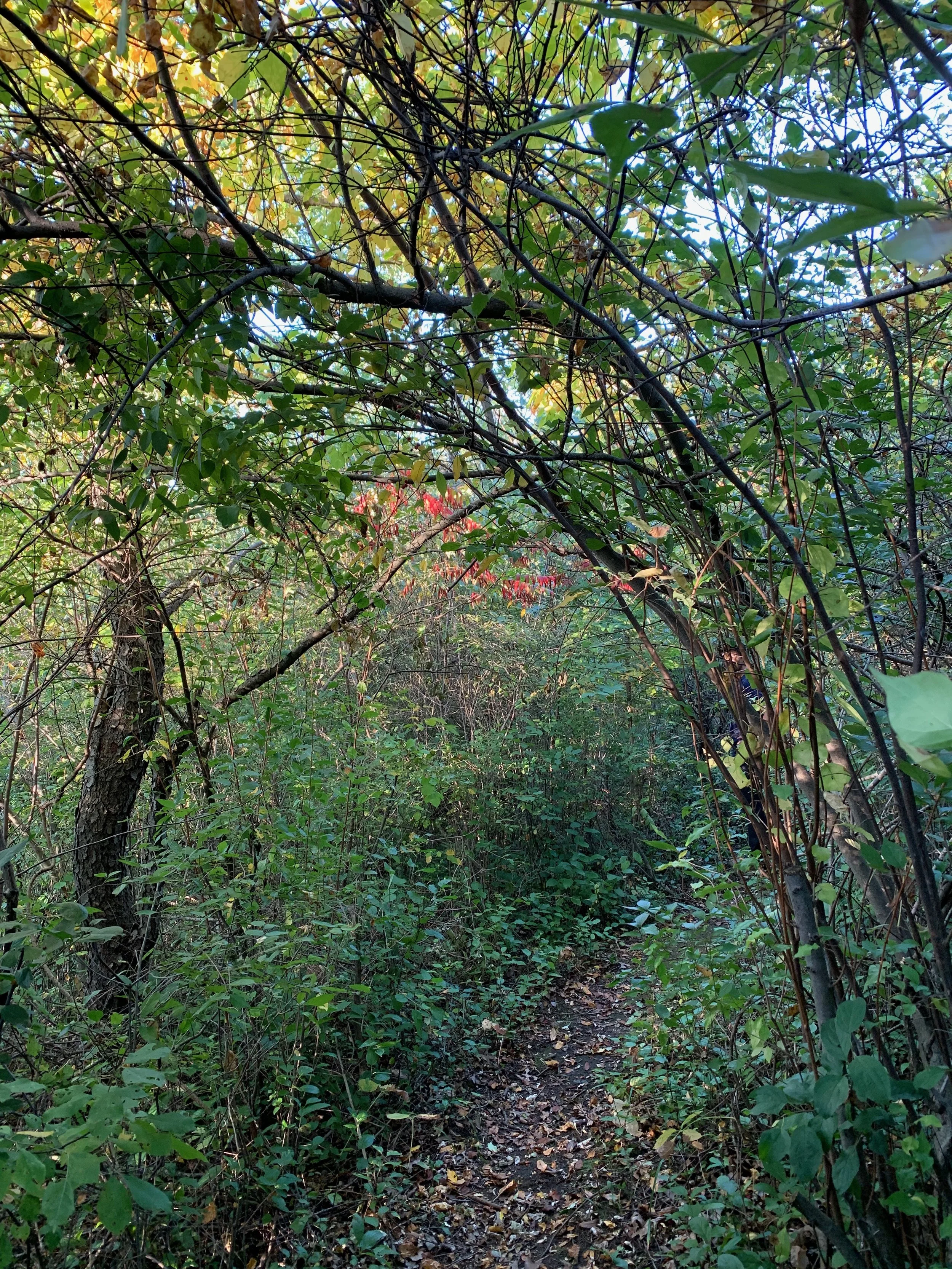
After being stressed, we likely have lower frustration tolerance and lower task performance, which is what makes stress recovery so important for our overall wellbeing.
Stress Recovery and Stress Restoration: these terms are used interchangeably in this context, and involve positive changes in psychological states, physiological systems, and behavior.
In other words, stress negatively influences our mind, body, and actions, and stress recovery is the process of reversing those influences. For SRT, the most important aspect of stress recovery is a positive boost in our emotions.
The Framework
Ulrich’s theory starts by charting out the specific, intricate steps our bodies go through when we encounter stimuli in the world around us. If you’re interested in a deeper dive into this framework, please see this other article. The very simplistic overview is that humans have a multimodal way of responding to our environment, influenced by our current emotional state and past experiences, and each time we encounter environments, we learn and store information about those experiences. Stress Reduction Theory says that when we encounter an environment, we have an involuntary emotional response (we either like the place or we don’t), followed by conscious assessments and behavior (we go toward it or we run away).
Studies Confirming That Nature Reduces Stress
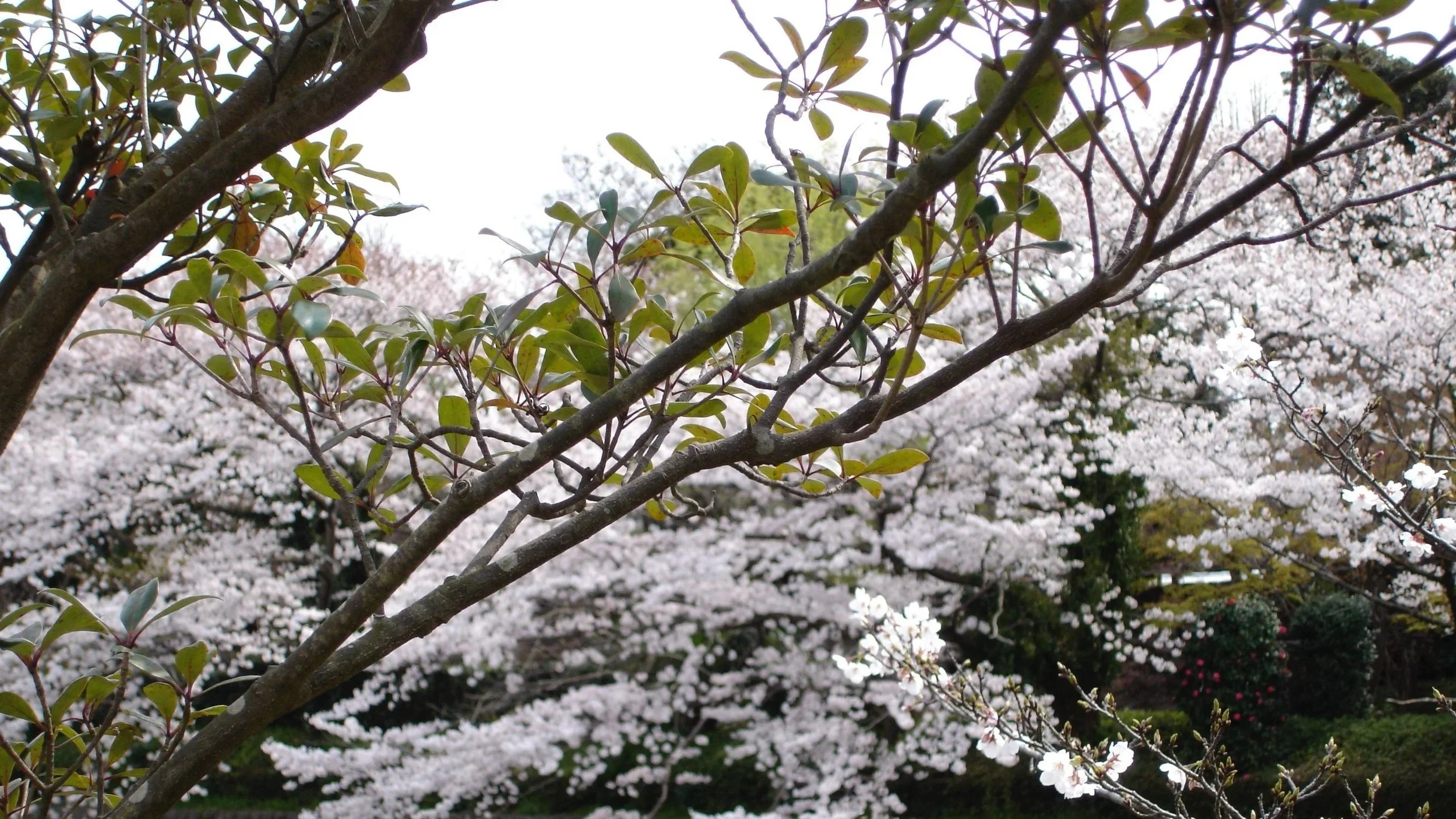
Stress Reduction Theory has been tested and verified by lots of empirical studies, nearly all of which involve stressing out the participants (usually by showing them images of something really disturbing, like traffic accidents) and then testing how their bodies respond when exposed to images of nature versus images of urban environments. Some of the most compelling studies were done by Ulrich himself, like his 1984 study that proved hospital patients recovering from surgery had shorter post op stays, fewer negative comments to nurses, and fewer postop complications when their hospital window overlooked a view containing nature. In contrast, surgery patients whose hospital room window view was a brick wall needed more painkillers.
In 1979 Ulrich conducted a study in which he stressed people out by giving them a test and then showed them color slides of either 1) everyday natural scenes dominated by green vegetation or 2) unblighted urban views without any vegetation or water. He found that people showed a clear aesthetic preference and position emotions when viewing the nature scenes, and that in some cases the urban images even produced more negative emotions.
Studies like these prove that natural settings benefit everybody by boosting our mood, and that nature is most beneficial for us when we’re stressed. Many empirical studies have replicated Ulrich’s studies and found similar results.
Practical Applications of Stress Reduction Theory
Here are some ideas for applying SRT to your daily worklife.
Tip #1
Spending time in or near nature is always beneficial for us, but it’s most beneficial as a way to feel better after being significantly stressed. The next time you feel triggered by a situation at work and need to calm down, take a walk outside or find a green location to sit down and breathe.
Tip #2
SRT is an empirically proven and well-established theory that you can use to advocate for all office spaces to have windows that overlook nature.
Tip #3
Our brains know before we do whether a natural setting is appealing to us or not; and appealing natural settings have the ability to boost our mood. In moments when you spot a nature view that you like - one you can enter or even one you can sit and watch - allow your instincts to guide you; spending a few minutes taking in that view will likely release positive emotions that you can carry with you into your work.
Sources
Lan Luo, Bin Jiang. From oppressiveness to stress: A development of Stress Reduction Theory in the context of contemporary high-density city,Journal of Environmental Psychology, Volume 84,2022, 101883, ISSN 0272-4944, https://doi.org/10.1016/j.jenvp.2022.101883.
Ulrich R. S. (1983). Aesthetic and affective response to natural environment. In Altman I., Wohlwill J. F. (Eds.), Behavior and the natural environment (pp. 85–125). New York, NY: Plenum.
Ulrich, R.S.; Simons, R.F.; Losito, B.D.; Fiorito, E.; Miles, M.A.; Zelson, M. Stress recovery during exposure to natural and urban environments. J. Environ. Psychol. 1991, 11, 201–230.
Ulrich, Roger. (2023) Stress reduction theory. In D. Marchand, E. Pol & K. Weiss (Eds.), 100 key concepts in environmental psychology (pp. 143-146). New York, NY: Routledge.
