
Forest Bathing
Forest Bathing History and Description
Shinrin-yoku is a Japanese phrase: “shinrin” meaning forests and “yoku” meaning bathing. Forest bathing is “a Japanese therapeutic practice in which participants experience nature in a forest using their senses, aiming to harmonize with the forest. This practice can be done alone or in groups, and often includes walking and breathing exercises, as well as other activities like yoga, meditation, farming, and cooking.”
The term was coined by Tomohide Akiyama of the Japanese Forestry Agency in 1982, and the concept was developed to combat the growing levels of stress, burn-out, and suicide that characterized Japan’s shift from a rural to an urban economy in the years following WWII, when Japan rose to become what at the time was the third strongest economy in the world. In Shinto, Japan’s native religion, forests are considered sacred spaces: trees, waterfalls, wind, etc. are thought to be inhabited by kami (spirits). Much of Japanese art is centered around a celebration and connection to nature.
There’s no specific methodology for forest bathing, so everyone can approach it in their own way; the main goal is to try to experience nature using your 5 senses, which can be an important part of stress reduction. Part of the effectiveness of forest bathing is that each individual can follow their own intuition; doing the things that make them feel best. It takes practice to get in touch with your own body like this, so sometimes people find it helpful to learn some of the common activities from someone else. Clinicians also need to recognize and honor the fact that not everyone is going to enjoy being in nature, particularly if they’ve had a bad experience there.
Forest Therapy
.
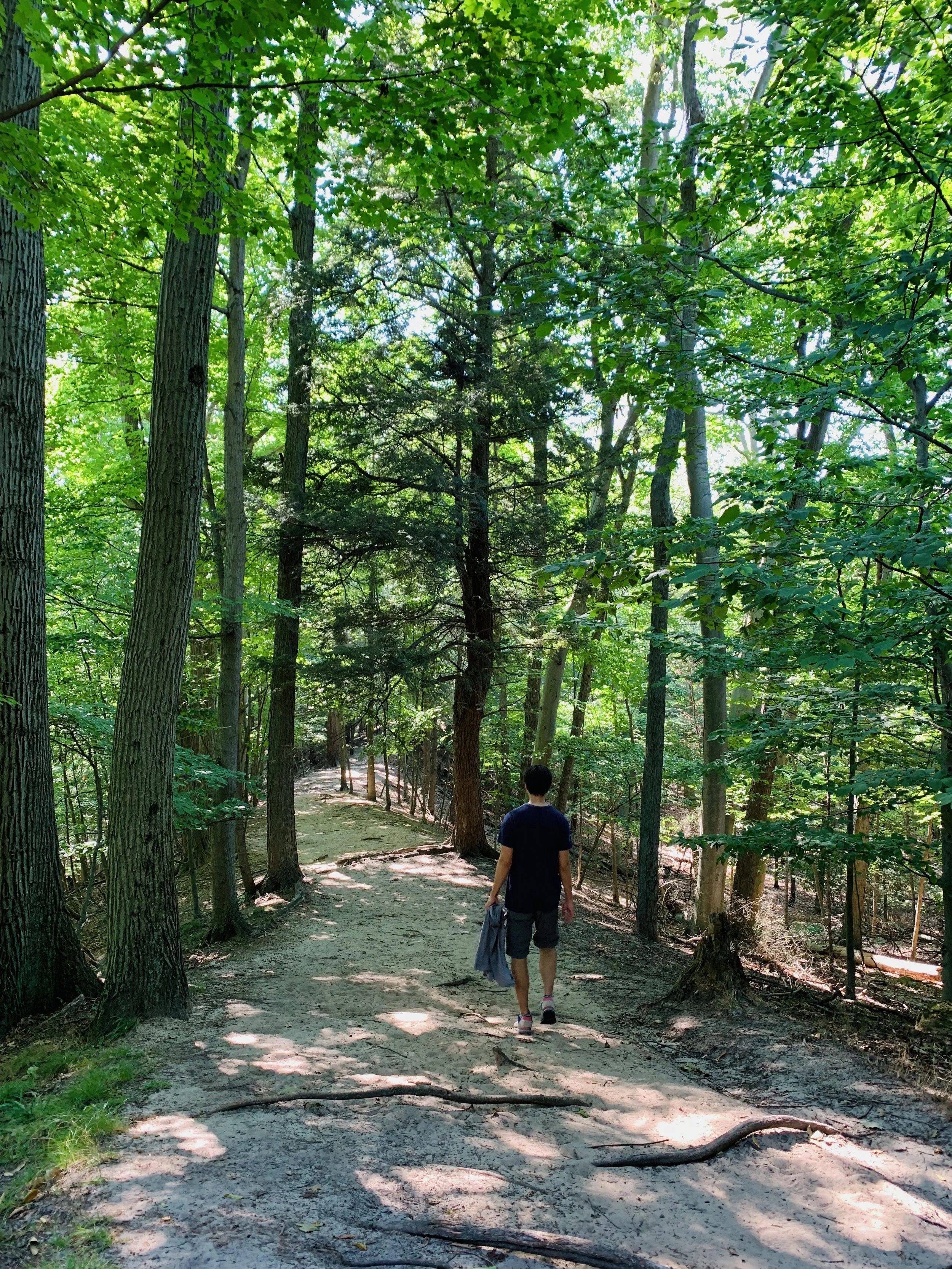
While sometimes used interchangeably, forest therapy is a specific term used to describe a structured approach led by trained therapists, incorporating therapeutic techniques in a forest setting. The specific activities of forest therapy are still widely diverse and hard to precisely define. In Japan, practitioners could begin earning certification in 2005, and to date, 64 forests at the prefectural, municipal, and corporate levels have been certified by the Forest Therapy Society, an umbrella organization that attempts to establish an international standard for forest therapy practice. A central part of the certification process is the verification of the positive physiological relaxation effects that forest therapy offers. Additionally, physical indicators are assessed to become authorized for a forest therapy certificate, such as the availability of particular services like hammocking, meditation, woodworking, cloud watching, snacks (soft infrastructure), and the status of Forest Therapy Roads (hard infrastructure). Currently, there are approximately 900 certified forest therapists active in Japan, with 60 official forest therapy trails, visited by millions every year.
How is Forest Bathing Studied
Empirical studies on the effects of forest bathing were originated by Yoshifumi Miyazaki, a physiological anthropology professor at Chiba University in 1990, and continued by Qing Li, a physician and immunologist at Nihon Medical School. These studies were largely financed by the Japanese government, eager to capitalize on one of the country’s healthiest natural resources (2/3rds of Japanese lands are forests), and explore opportunities for accessible and cost-effect health benefits.
Scientific research on forest bathing has increased in the last three years, with COVID 19 giving rise to larger public interest in recreational activities that can help promote wellbeing and health. The majority of studies look at the effects of forest bathing on mental health, as well as the impacts of relaxation exercises, physical activity and exercise in natural spaces. Since shinrin-yoku originated in Japan, Japan leads the world in the number of scientific studies of its effects, with South Korea, China, and the U.S. also contributing largely to the literature. It should be noted that forest bathing research on non-Asian participants is still limited, and a meta-analysis of the empirical studies suggests that perhaps there’s a culturally specific component to the positive effects of forest bathing, so health recommendations may need to vary based on the specific person.
In addition to measures of mood and attitude, which involve self-reported data from participants, scientific research on forest bathing often includes physiological measures like blood pressure, salivary and urinary cortisol and dopamine levels, heart rate, NK cells (natural killer cells) and NK cell activity in the blood. Many studies involve testing these physical markers in participants before and after an experience in a forest, and conclusions can then be drawn about the effect of forest bathing based on these; for example, lowered heart rate and blood pressure indicate stress reduction.
Health Benefits of Forest Bathing
The empirically proven benefits of Forest Bathing include:
Reducing stress to improve mental health
Strengthening the immune system by increasing in the number of immune cells in the body, helping to prevent disease and accelerate recovery from existing illness
Improving cardiovascular function through reduction in blood pressure and strengthening of cardiovascular systems, improved heart rate and respiration. A reduction in blood pressure through forest therapy has been shown to especially benefit patients with hypertension.
Alleviating symptoms of chronic diseases such as anxiety and depression by lowering cortisol levels and increasing serotonin levels. Forest bathing seems to most positively impact anxiety compared to other mental health ailments.
Improving insomnia by enhancing the quality of sleep, shortening the time required to initiate sleep, extending the overall duration of sleep, and regulating circadian rhythms
Improvement of socio-economic development in rural areas
Enabling creativity by mitigating or removing negative emotions
Additionally, scientists continue to explore other forest bathing benefits. Preliminary studies have found:
Forest bathing may be effective for patients with autism, who show a higher prevalence for mental health problems but whose condition often make traditional treatment like cognitive behavioral therapy or mindfulness difficult.
Nature therapy may have a positive impact on ADHD symptoms.
Forest bathing may be an effective treatment for patients with chronic heart failure.
Forest bathing could also be beneficial to patients experiencing the side effects of cancer treatment.
Positive effects for children: improvements in self-esteem and mental health and reduction in depressive symptoms and anger among elementary school children, mood boosts, and increased relaxation.
One example of a forest bathing experiment that pinpointed one of its impressive health benefits was published in 2010 by Qing Li. In the study, Qing and his team conducted a series of studies specifically looking at the presence and activity of natural killer (NK) cells, which reportedly kill tumors and virus-infected cells in the body, contributing to overall immune health. In the first study, a group of healthy male participants from a Tokyo company participated in a 3-day/2-night trip to a forest in northwest Japan. By taking blood samples from these participants before and after this experience, the team proved that time in the forest significantly impacted the number and activity of NK cells in the participants’ blood, and this effect lasted for more than 30 days. The team later replicated this same study with female participants and had the same results. Perhaps most interesting of all, the team also performed a study to compare the bloodwork of participants in a 3-day/2-night city setting vs a nature setting of the same length: the NK cell number and activity levels in the nature group increased, while remaining the same for the city group.
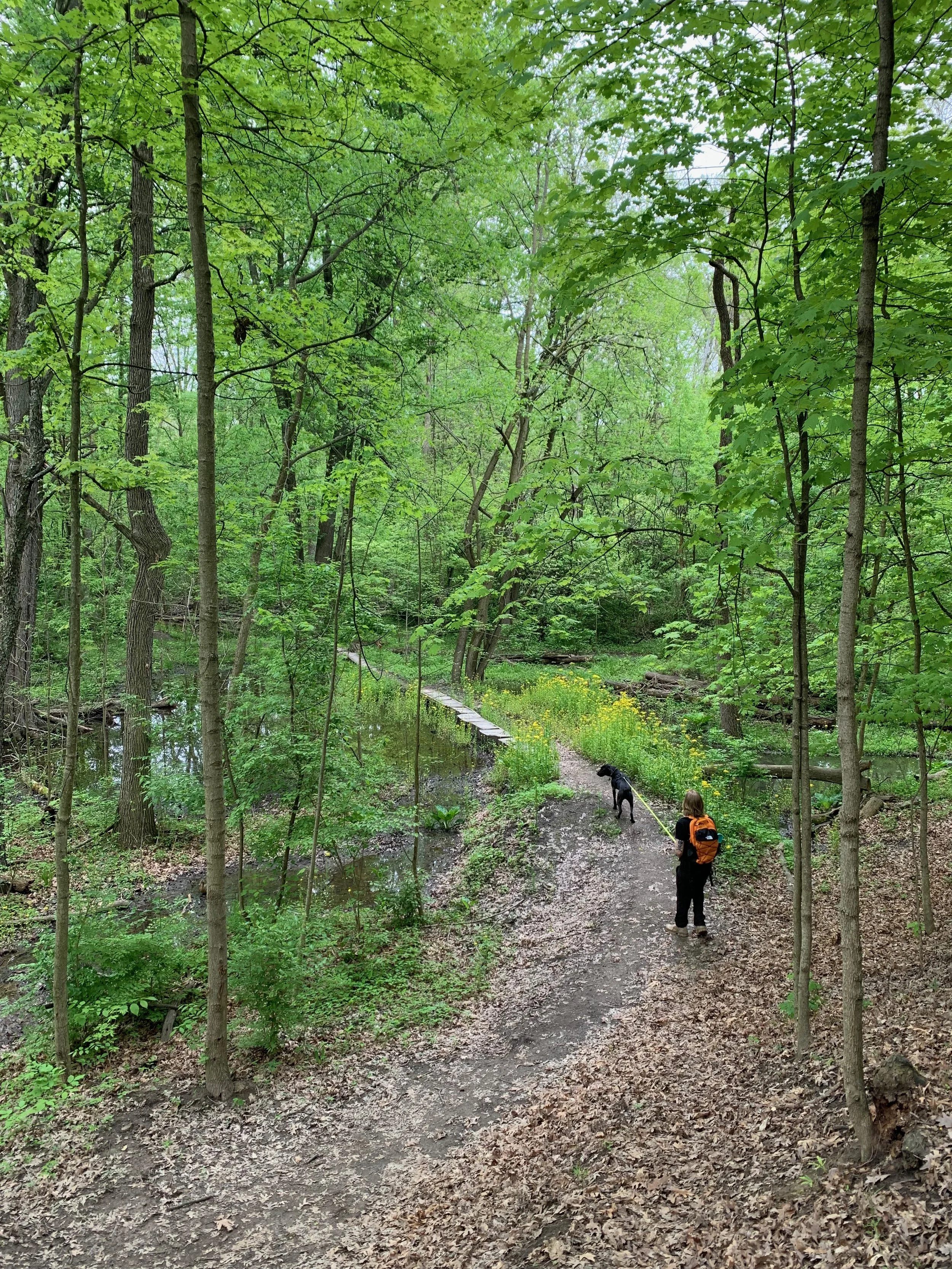
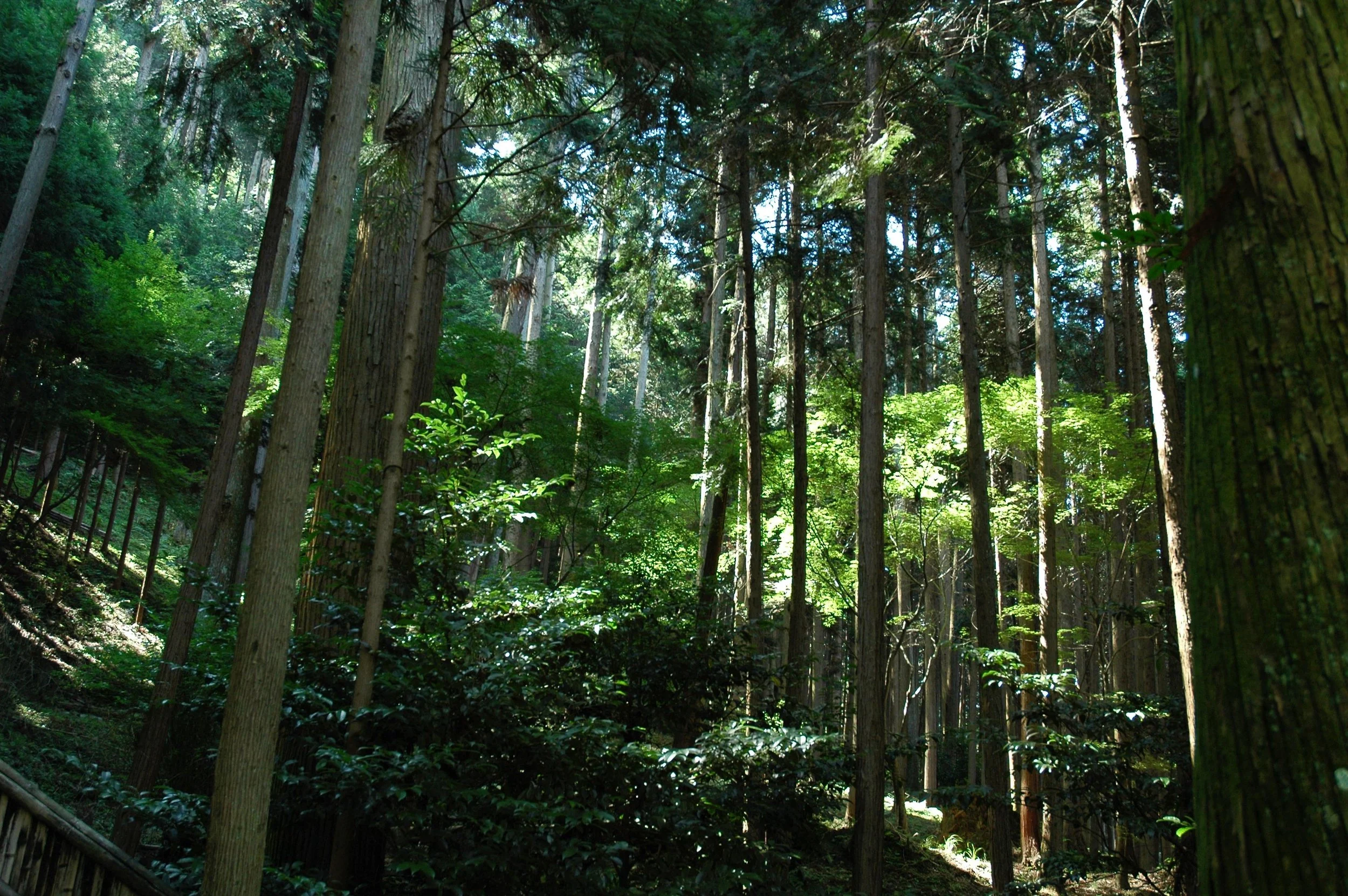
These studies controlled for other factors that might impact NK cells, like alcohol consumption, sleep, distance of walking, and, in the female group, menstrual cycle, and also tested for phytoncide levels in the air. One of the theories about the health benefits of forest bathing is the composition of Japan’s forests. Li’s research has shown that the presence of high concentrations of phytoncides and volatile organic compounds (compounds emitted by trees and other organic matter into the air) seems to impact NK cell number and activity. Japanese forests have a lot of conifers - cedar and cypress trees - which have higher levels of VOCs than deciduous forests. Given this evidence, it may be that some of the health benefits of forest bathing can be achieved through plants or natural oils for people who don’t have easy access to forests with coniferous trees.
It’s important to emphasize that forest bathing does not cure diseases; it’s a preventative activity: nature reduces our stress, which strengthens our immune system, preventing disease. The popularity of forest bathing as a treatment for urban stress has spread to South Korea; where 85% of the population lives in cities and suicide is a leading cause of death. Workplace stress has been shown to lead to heavy alcohol use. The Korean Alcohol Research Center studied depression in alcohol use disorder patients, concluding that forest therapy can help reduce symptoms of depression in these patients. The Korean Forest Service has dedicated 32 forests to the practice of forest bathing (often called “forest healing in South Korea) as of 2020. Public interest in these spaces increased during the COVID pandemic.
Limitations and Challenges
Some of the criticisms of forest bathing research include lack of follow up and lack of representative samples; often, the studies look only at a short period of time and have primarily been focused on Asian participants. (One study showed that Asian participants reported higher mental health benefits from forest bathing than Western participants, so there is more work to be done to expand the subject pool to include other cultures and locations.) Often, the leading experts on forest bathing are involved in these studies, which could lead to a placebo effect with participants. Also, since forest bathing can include other activities like yoga and meditation, it’s difficult to pinpoint the forest aspect specifically. Currently there are not very many studies comparing shinrin-yoku with other major therapeutic approaches such as cognitive behavioral therapy or art therapy.
Feelings of safety and inclusion are a key component to forest bathing, which may differ across populations. For example, African Americans have reported experiencing racism in natural spaces, as well as their tendency to be left out of depictions of natural landscape, leading to feelings of unease or even danger in nature. Access is another important limitation: in the U.S. and the U.K., access to nature is often divided among economic and racial lines; many of the public forests in the U.S. aren’t reachable by public transit.
The Future of Forest Bathing and Forest Therapy
Forest recreation is becoming more popular. Nature tourism, for example, is a big money maker, but little is known about the explicit environmental or economic impact of this. Additionally, studies are still being conducted to identify the precise aspects of a forest that lend themselves to positive health outcomes, like smellscapes. Currently, little is known about how the use of a forest for therapy might impact other economic uses like recreation and lumber.
So far, no one has been able to quantify the cost-saving potential of integrating forest therapy into national health care systems, but mental health issues have been rising worldwide since the late 1990’s. In 2016, mental health issues (most prominently anxiety, depression, and stress) were found to impact about 1.1 billion people (15% of the world’s population); in 2022, health care costs related to mental disorders were estimated to comprise 2-4% of the GDP in developed countries (substantially higher than in developing countries). Mental health is a worldwide concern, so accessible, affordable, and effective interventions like forest bathing are all the more necessary.
Currently, forest management policies are all related to economic returns like wood and wind energy, and don’t include provisions for recreational and/or forest therapy use. Further studies and interdisciplinary coalitions across health care, forestry, and government would be needed in order to develop policies and regulations that safeguard the ecosystem conditions for therapeutic uses, develop incentives for forest therapies that reduce health expenditures, and generate taxable revenues from forest therapies.
Practical Applications of Forest Bathing and Forest Therapy
Idea #1
The definition of forest bathing is broad - everything from sitting quietly among the trees to yoga to a group trek - making the activity highly customizable per your own personal preferences. Choose the approach or activity that helps you feel the most comfortable in order to soak up the calming effects of time in the forest.
Idea #2
Smellscapes, particularly the presence of coniferous phytoncides and volatile organic compounds, have been shown to be a major part of forest bathing’s positive impact on health and wellbeing. Try adding plants or tree-based essential oils to your work space, especially if your access to forests is limited.
Idea #3
Remember that forest bathing is a preventative activity - like doing reps at the gym - to strengthen your immune and cardiovascular system. Similar to other preventative activities like applying sunscreen or brushing your teeth, discover small ways to add a bit of nature exposure to your routine.
Idea #4
One of the main goals of forest bathing is to experience nature with your 5 senses, which is something you can do at work too. The next time you’re ready for a break, try going through a 5-senses checklist of your surroundings: naming what you can see, smell, hear, touch, and taste. Bonus rejuvenation points if you can do this outdoors.
Idea #5
Though more work needs to be done, preliminary studies on forest bathing show that the positive health effects last longer than the forest bathing session itself. With this in mind, the next time you’re able to take a forest bathing work break, be intentional about what you do after you come back to your desk: plan to tackle tougher projects that you’ve been putting off so that you can make the most of your rested brain.
Sources
Carsten Mann, Mónica Hernández-Morcillo, Harumi Ikei, Yoshifumi Miyazaki. The socioeconomic dimension of forest therapy: A contribution to human well-being and sustainable forest management, Trees, Forests and People. Volume 18, 2024, 100731, ISSN 2666-7193, https://doi.org/10.1016/j.tfp.2024.100731.
Chia-Pin (Simon) Yu, Hsuan Hsieh, Beyond restorative benefits: Evaluating the effect of forest therapy on creativity, Urban Forestry & Urban Greening, Volume 51, 2020, 126670, ISSN 1618-8667, https://doi.org/10.1016/j.ufug.2020.126670
Denche-Zamorano et. al. Global Review of Literature on Forest Bathing. Austrian Journal of Forest Science. June 2024. DOI: 10.53203/fs.2402.3.
Kotera et. al. (2025). Forest Bathing: History, Culture, and Thoughts for Clinical Practice and Research. In: Kaplan, Yonatan and Levounis, Petros, Eds., Nature Therapy, APA Publishing, 41-58.
Kotera, Y, Richardson M, Sheffield D. Effects of Shinrin-Yoku (forest bathing) and nature therapy on mental health: a systematic review and metaanalysis. Int J Mental Health Addiction 20: 337-361, 2020.
Lee, J., Park, B. J., Tsunetsugu, Y., Kagawa, T., & Miyazaki, Y. (2009). Restorative effects of viewing real forest landscapes, based on a comparison with urban landscapes. Scandinavian Journal of Forest Research, 24(3), 227–234. https://doi.org/10.1080/02827580902903341
Li, Q. Effect of forest bathing trips on human immune function. Environ Health Prev Med 15 (1): 9-17, 2010.
Shin WS, Shin CS, Yeoun PS. The influence of forest therapy camp on depression in alcoholics. Environ Health Prev Med 17 (1): 73-76, 2012.
Williams, Florence. (2017). The Nature Fix. W.W. Norton & Company.
