
Not everybody enjoys being in nature. In fact, some people find it downright uncomfortable, or even scary, preferring to spend time in their homes in order to unwind after a long day at work. This phenomenon is known as biophobia.
What is Biophobia?
Based on the Greek words “bio” (life or living organisms) and “phobia” (fear, horror, strong dislike, or aversion), biophobia’s definition has two aspects:
a fear, horror, strong dislike, or aversion towards organisms
a culturally acquired urge to affiliate with technology, human artefacts, and solely with human interests regarding the natural world
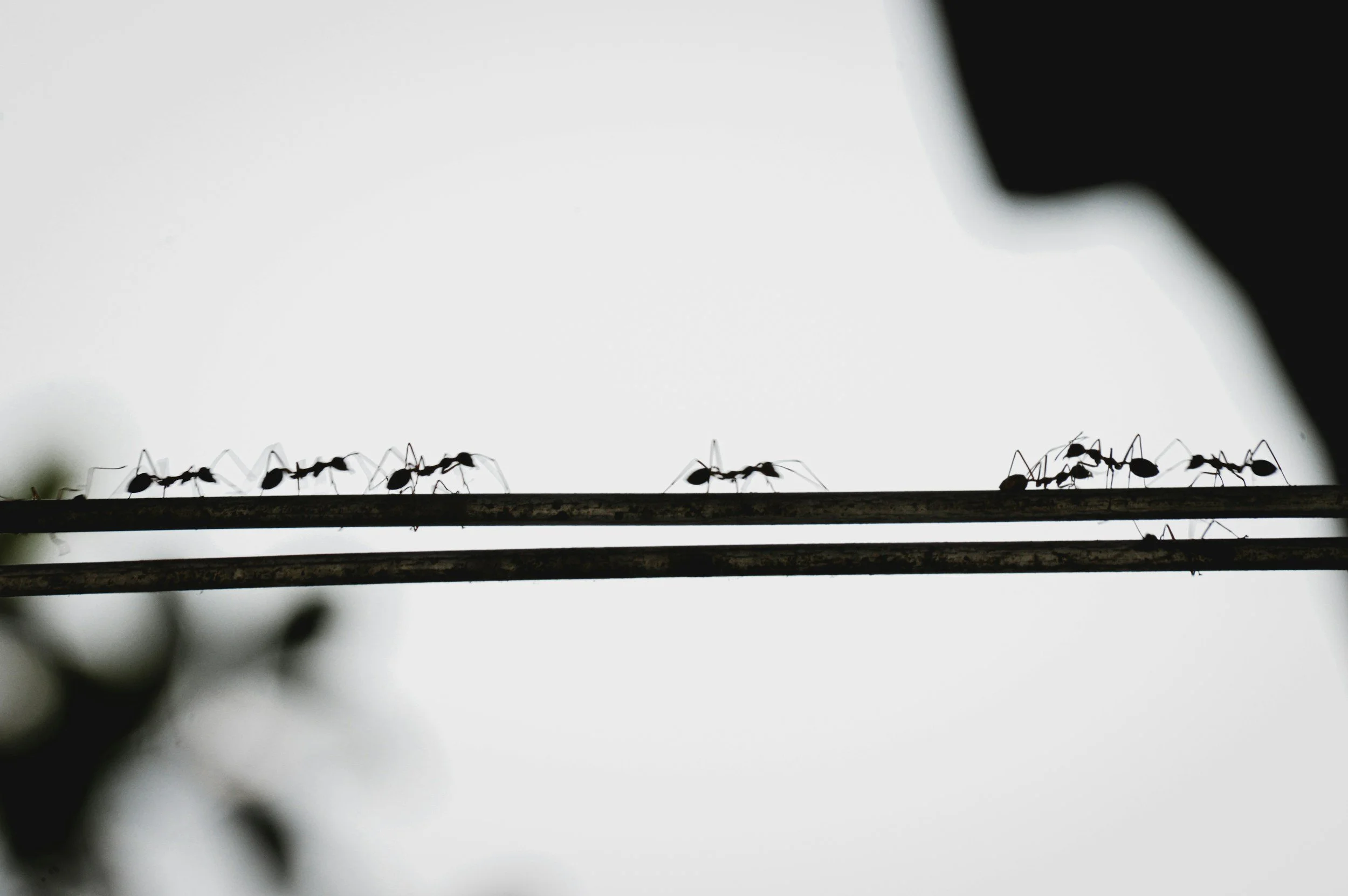
Biophobia manifests on a spectrum of responses, everything from negative emotions like disgust and dislike up to psychological conditions like anxiety and panic attacks. Like its positive counterpart biophilia, biophobia is generally hypothesized to be at least in some part innate to humans, with its origins suspected to derive from aspects of the premodern natural world that posed legitimate threats to humans, like poisonous snakes or spiders. It follows then, that biophobia usually describes a fear - either legitimate or irrational - of certain animals, but can also include other threats that are potentially present in natural environments, things like allergies, poisonous plants, crime, injury, enclosed spaces/spaces that inhibit our ability to see danger, and disorientation.
How is Biophobia Studied?
Compared to biophilia, there are actually quite a lot of psychological studies on biophobia because it’s comparatively easier to design experiments that test subjects’ aversion responses than it is to study positive responses like pleasure or joy. Biophobia tests are generally rooted in the Prepared Learning Theory, which says that humans evolved successfully in our premodern environment by quickly learning and remembering responses that helped us survive. So, most experiments that seek to test biophobic responses include both a learning and a retention component. Here’s what they’ll do:
Researchers will show participants a series of images, some depicting animals that have historically posed a threat to human survival, like spiders or snakes, along with images of neutral items like flowers or grass. With each image, the participants are given some kind of negative physical stimulus, like a shock. Then, the participants are shown the images again, to see how well they retain the negative response. These types of biophobia experiments have consistently shown that people remember to be afraid of the dangerous animals longer than they remember to be afraid of neutral items.
You may say, well, those fear responses are probably largely reinforced by societal norms: we all observe others express fear and disgust of spiders, for example, far more often than we see someone be afraid of a rabbit. In order to test this assumption, one group of U.S. researchers devised an experiment in which they would compare items generally considered in society to be scary. They tested participants' fear responses to spiders and snakes (aka, dangerous creatures that have threatened humans from premodern times) versus fear responses to handguns and rifles (aka, dangerous items that have threatened humans in modern times). Their results showed that participants retained their fear response to the animals longer than their fear of the guns; lending more strength to the hypothesis that biophobia is innate.
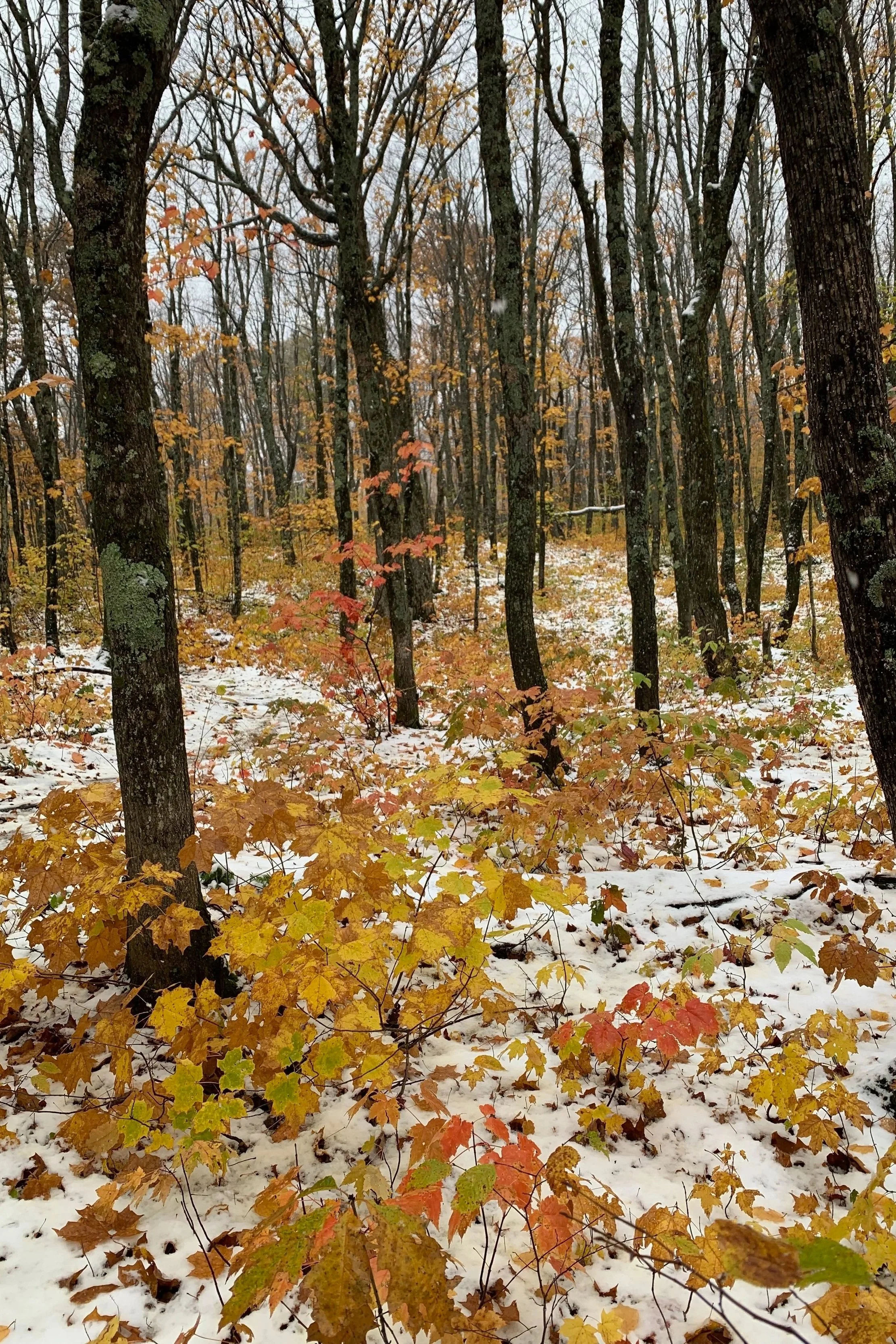
Studies of biophobia generally test two dimensions: breadth (how many organisms are you afraid of) and intensity (how deep is your fear of any one organism). As we might imagine, researchers have found that the scope and severity of people’s fears vary significantly depending on where they live: people who live primarily in urban areas tend to express greater biophobia than people who live in rural areas. Biophobia also appears to evolve over time as a result of access to information and media sensationalism. Several studies that tracked Google searches as a way to gauge fear of animals found that there was a sharp increase in the fear of bats during COVID due to the influx of media attention that bats received as carriers of the disease. Studies like this over time conclude that about 3-5% of the global population has some form of animal phobia, and biophobia is more prevalent in urban areas than rural ones.
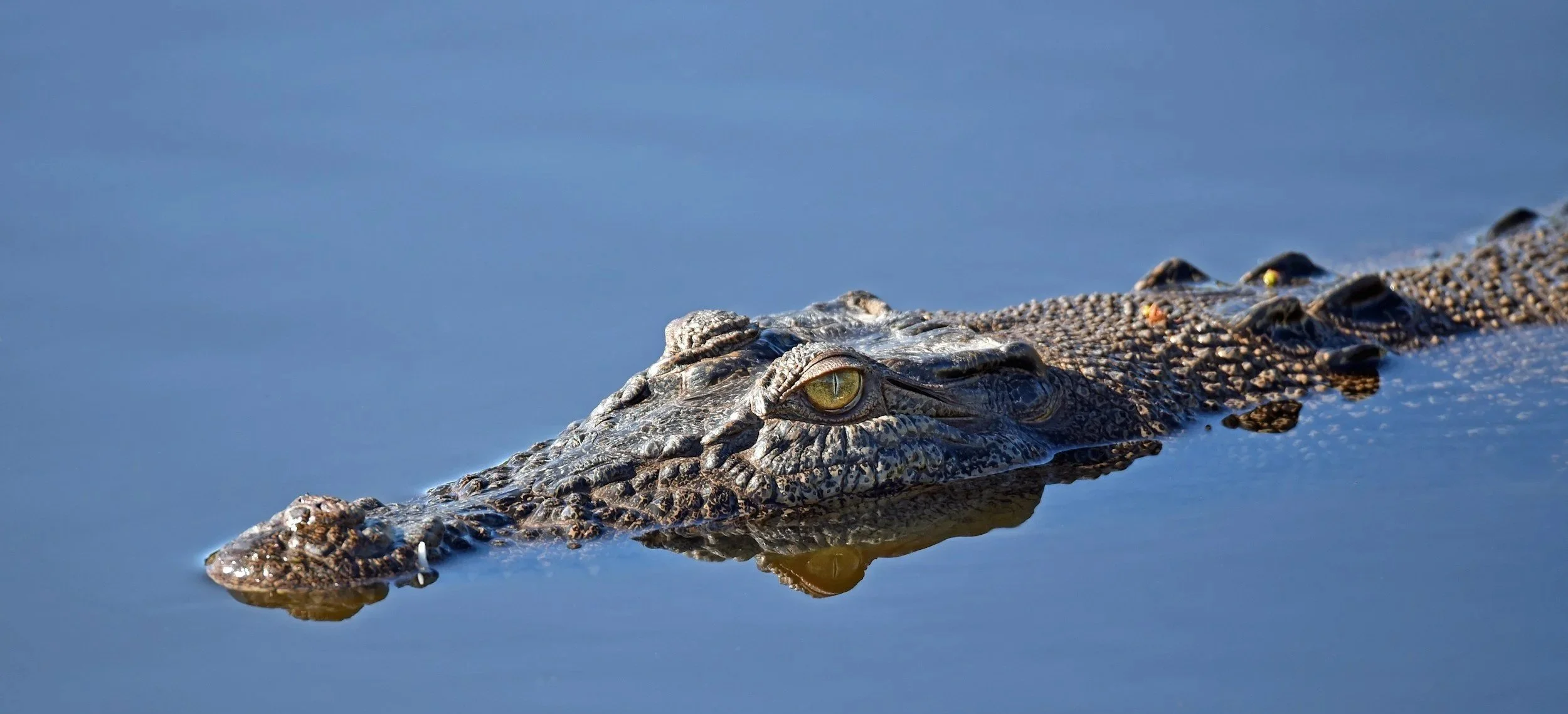
One of these experiments done in 2020-21, called the Lost in Wilderness online survey, was curious to know which animals people were most afraid of and what factors contributed to that fear. The study analyzed 17,353 completed surveys from participants of various genders, ages, and locations around the world. Survey respondents were shown pairs of animals and asked to select which one was scarier, and why, which helped researchers identify differences between rational and irrational fears related to certain animals. Some of the fears reported were connected directly to the survival aspect: fear of being killed, injured, or eaten, but this doesn’t tell the whole story. For example, spiders ranked high on the fear scale even though only 0.5% of them are actually harmful, indicating that there may be an education gap in some places between perceived and actual danger related to certain animals. The grand prize winner for scariest animal out of 184 land-dwelling species included in the study was the saltwater crocodile, and the least scary was the rabbit.
What Does Biophobia Impact?
Research on biophobia reveals what we might intuitively expect: fear or discomfort with animals and/or natural settings can lead us to avoid settings in which we may encounter them. The more biophobia you have, the less likely you are to spend time in nature, which by extension means there are less opportunities to benefit from nature’s aesthetically pleasing and restorative features. At the extreme, biophobia can lead to increased anxiety, worry, and even depression. Many researchers have studied biophobia development in children, finding that parental attitudes toward nature greatly influence the likelihood of children developing positive relationships to nature, and biophobic tendencies in parents can lead children to avoid spending time outdoors, decreasing their access to important opportunities for exercise, creative exploration, and sunlight. Additionally, biophobia can lead some people to be less supportive of environmental conservation efforts, and in the extreme, can even revel in the harm or elimination of animal or insect species they find disgusting or scary.
What Are Some Tips for Mitigating Biophobia?
Biophilia researchers suggest that similar to other types of fears and phobias, biophobia can be lessened through exposure to and education about the benefits of nature.
Tip #1: even small amounts of nature exposure can make an impact on wellbeing and stress relief; start slow and familiar: if you usually eat your lunch at your desk, maybe try a picnic table out on the work patio overlooking a nearby forest or water feature. If your work neighborhood or campus has pathways that go through forested areas or grassy plots, maybe try parking in a spot that allows you to walk through those areas on your way into the building. Opportunities for social interaction can greatly increase our enjoyment of nature areas, so think about bringing your family or a co-worker to your lunch or short walk in a neighborhood park.
Tip #2: if your biophobia is focused on certain animals or insects, scientists recommend some good old fashioned exposure therapy: visit a zoo or a nature conservatory to not only spend time near these creatures, but gain a bit more understanding about them. Reducing uncertainty or unlearning misinformation can go a long way.
Tip #3: if you are in charge of selecting landscaping or interior greenery for your workspace, keep allergies and other health-related factors in mind when making your choice; rather than going for aesthetics, choose plants that are known to be easy to maintain, low tendency to flair allergies, and not likely to attract animals and/or bugs.
Tip #4: biophobia should be a consideration but not a deterrent from selecting outdoor locations for things like meetings or retreats. When selecting nature spaces for people to spend time in, pay attention to aspects that can often be uncomfortable or scary. If possible, choose a location that has both indoor and outdoor options, like a metro park with a small visitor center. Select locations with accessible bathrooms and plenty of opportunity for shade. Choose areas that have wide, well-marked paths so that folks can avoid direct contact with grass and fauna, avoid too many bugs, and avoid the worry of becoming lost. Make sure these areas are well lit and well visited, to mitigate fears of crime or injury.
Sources
Cook, E.W., R.L. Hodes, and P.J. Lang. (1986). Preparedness and Phobia: Effects of Stimulus Content on Human Visceral Conditioning. Journal of Abnormal Psychology, 95, 195-207.
Patuano, A. (2020). Biophobia and Urban Restorativeness. Sustainability, 12(10), 4312. https://doi.org/10.3390/su12104312
Soga, M., & Evans, M. J. (2024). Biophobia: What it is, how it works and why it matters. People and Nature, 6, 922–931. https://doi.org/10.1002/pan3.10647
Ulrich, R.S. (1993) Biophilia, Biophobia, & Natural Landscapes. In: Kellert, S.R. and Wilson, E.O., Eds., The Biophilia Hypothesis, Island Press, Washington DC, 73-137.
Zeller, K., Mouquet, N., Garcia, C., Dezecache, G., Maille, A., Duboscq, J., Morino, L., & Bonnet, X. (2025). Danger versus fear: A key to understanding biophobia. People and Nature, 7, 847–859. https://doi.org/10.1002/pan3.70009
